Subscription was never just another way to pay. It answered a cost question: who carries the price of servers, licences and maintenance? With owned software it was you, in one large payment before trying anything. Today the question shifts again, from how you pay to what unit you pay for: a seat, or a result that actually happened?
How the subscription model was born: a one-bedroom apartment
Founded on March 8, 1999 in a rented one-bedroom apartment at 1449 Montgomery Street in San Francisco, where Marc Benioff, Parker Harris, Frank Dominguez and Dave Moellenhoff began work on the first version of its system, according to Salesforce's history.
On February 7, 2000 the product launched officially at the Regency Theater, with 1,500 attendees and a concert by The B-52s, at an event built around the end-of-software line. Coverage in The Wall Street Journal followed, after actors were hired to stage a mock protest outside a Siebel Systems conference with anti-software signs.
The history published by Salesforce Ben records that 2000 also brought the debut of the "No Software" slogan. Twenty-five years on, Salesforce's own site summed it up: the company pioneered a new business model — subscription, a service paid monthly instead of a licence bought once.
What subscription actually changed for a small business
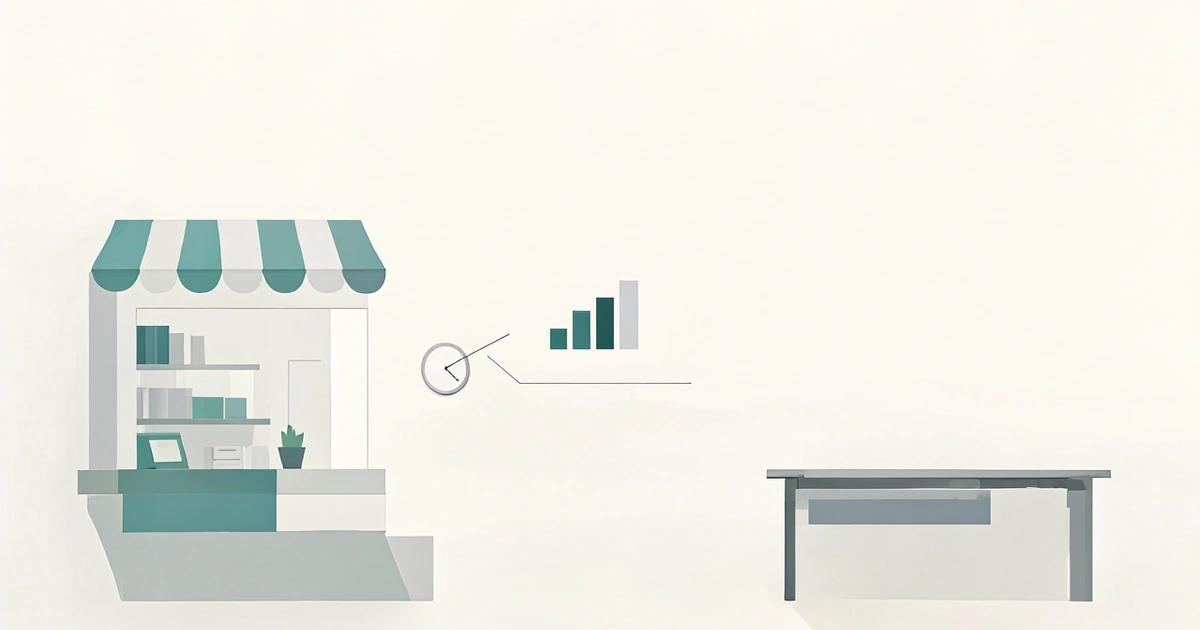
The difference is not the total figure but how it is spread. An owned licence collects the cost into one moment: copies, a server, installation, a maintenance contract, training, then a new version. Subscription spreads it across months, removes the server from your responsibilities, makes updates part of the service and keeps the exit door unlocked.
That spreading opened the door to small businesses. What blocked them was never the total price but the size of the upfront payment. A shop or a clinic in Libya once needed a major financial decision before knowing whether the software fitted; today it needs a monthly decision it can reverse.
Per-seat was a reasonable measure, until the workers changed
Seat pricing began with a simple question: how many people need access? An article in InformationWeek describes the old logic as office rent, counting the people who need access and charging per head monthly, because the human user did the work.
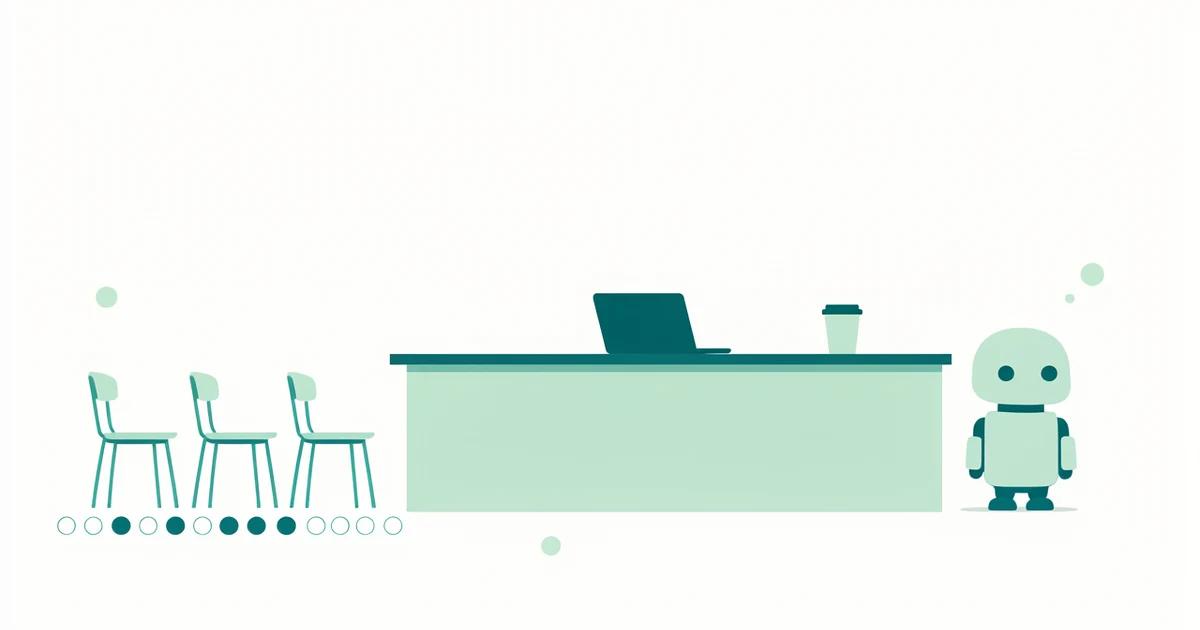
Then agents entered the system. They now outnumber employees by 25 to 1, working around the clock with no badge, no login, no seat. When the unit you pay for does not exist, what you pay for drifts from what you receive. An a16z analysis puts it plainly: the old unit was the seat; today it is sometimes a seat, sometimes a processed token, sometimes a successful outcome, sometimes an entire agent.
The 2026 numbers: a bigger market, a different method
The market is not shrinking. Precedence Research puts software as a service at roughly 408.21 billion dollars in 2025 and 465.03 billion in 2026, reaching 1,367.68 billion by 2035, a compound annual growth rate of 12.85%.
At a wider level, Gartner's April 2026 update forecasts worldwide software spending rising 15.1% during 2026 to 1.44 trillion dollars, inside total IT spending expected to reach 6.31 trillion dollars, up 13.5%.
The mix is moving faster than the size. Estimates from OpenView Partners, a 2025 market snapshot, put around 60% of software companies on some form of usage-based pricing, 46% on a hybrid structure combining a base fee with a meter, and 15% largely consumption-based.
Outcome pricing on the ground: live examples
Three documented examples make the shift concrete:
- Salesforce: Agentforce is priced on consumption through Flex Credits, and the current price list grants 20 credits for standard and custom actions, 30 for voice actions.
- Intercom: a customer is charged only when the agent produces a defined outcome, such as resolving an issue successfully, not on every attempt, at a reference price of $0.99 per case.
- Zendesk: outcome-based pricing is being extended around resolved tickets independently verified before a customer is charged.
"If it cannot be billed, it cannot be governed."
What to do now
The old model asked the largest risk of the smallest player: a large company reads the contract clause by clause, while a small business owner in Libya approves the spending personally, often on a presentation rather than a measured result.
- Ask for the outcome to be defined in writing before signing: what exactly is billed, who measures it and with what evidence.
- Start small and for a limited period: two months on a single service is lighter than a multi-year contract on a whole platform.
- Ask for a monthly statement showing what was actually consumed; what you cannot read, you cannot question.
- Fix a small monthly floor on top of the meter, because committing fully to usage makes your budget swing.
- Ask how your data leaves before asking about the price.
For a first step, take one service you pay for today and ask its supplier: what unit am I actually charged for? The services section of the site sets out the systems and automation we build, and the contact section is a direct channel for your case.
Sources
- Salesforce — company history
- Salesforce — 25th anniversary
- Salesforce Ben — Salesforce history
- InformationWeek — how AI agents broke traditional SaaS pricing
- Channel Insider — outcome-based pricing in the agent era
- MGI Research — SaaS pricing evolution from seats to usage
- Precedence Research — software-as-a-service market size
- Gartner — worldwide IT spending forecast (22 April 2026)
- Official release on Business Wire (FinancialContent)
- causo.ai — H1 2026 SaaS pricing report guide
This article was produced with the help of AI tools and reviewed by a human before publication.